

Origins
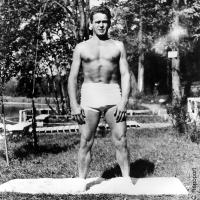
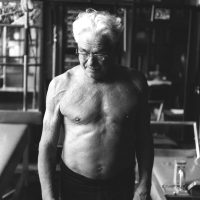
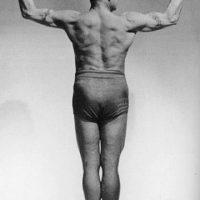
Joseph Pilates was born in 1883 in Germany. During his childhood, he faced several illnesses, which motivated him to study different forms of physical exercise and health. Between 1914 and 1918, during World War I, Joseph developed his method to rehabilitate injured soldiers.
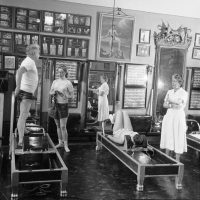
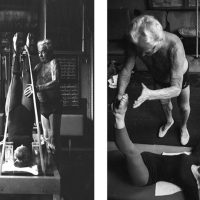
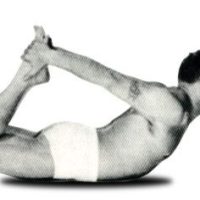
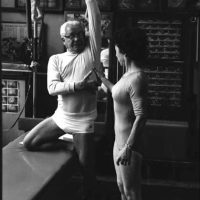
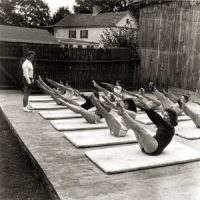
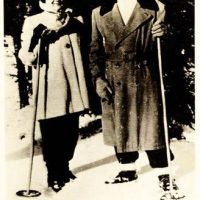
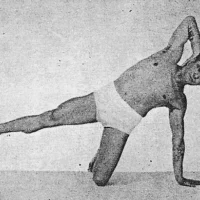
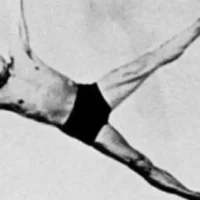
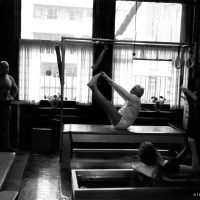
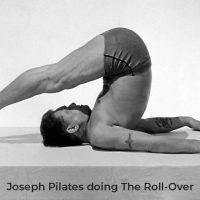
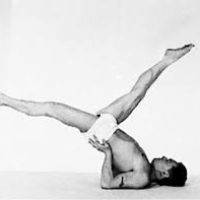
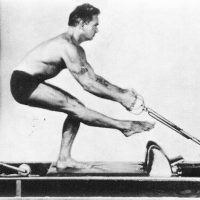
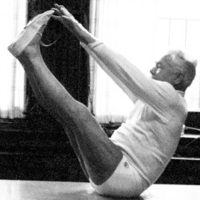
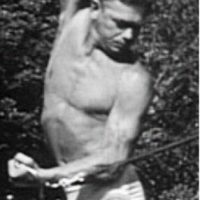
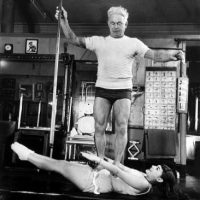
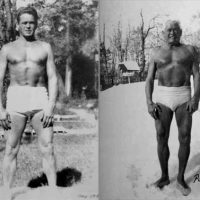
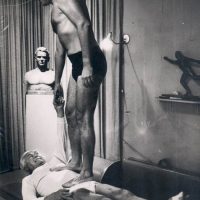
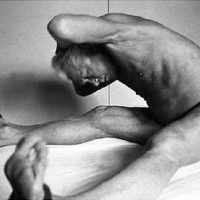
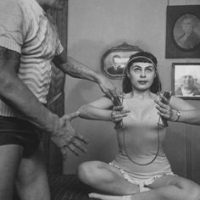
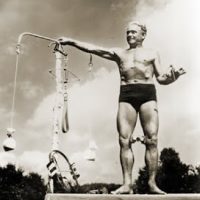
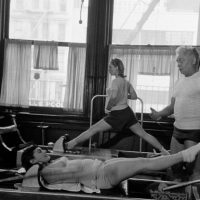
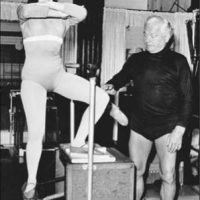
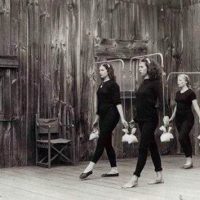
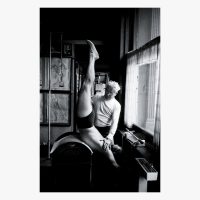
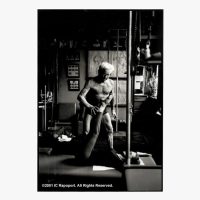
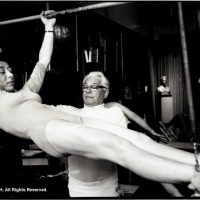
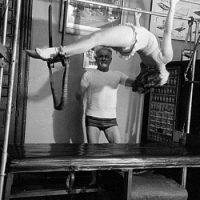
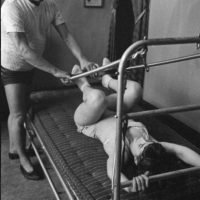
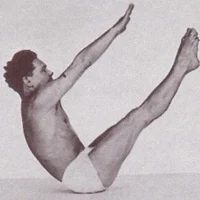
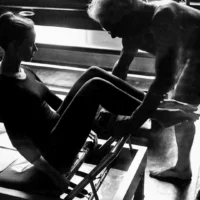
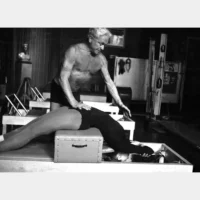
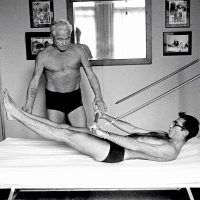
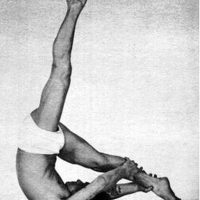
Principles Used by Joseph Pilates in Creating His Method
- Gymnastics: Joseph Pilates was influenced by German gymnastics, known for its emphasis on strength, flexibility, and body control.
- Boxing: Pilates was an avid boxer, which contributed to his understanding of fitness and endurance techniques.
Posture and Breathing
The practice of yoga inspired many of Pilates’ exercises, particularly the emphasis on controlled breathing and the importance of correct posture.
Control and Discipline
Elements of martial arts, such as body control and mental discipline, influenced the development of Pilates exercises.
Movement in nature
Joseph Pilates also observed natural movements, particularly those of animals, to develop exercises that enhance strength, flexibility, and overall well-being.
Human Anatomy
A deep knowledge of human anatomy helped Pilates create exercises that strengthen the core muscles and improve body alignment.
Biomechanics
Understanding how the body moves and functions allowed Pilates to develop exercises that are safe and effective, promoting overall health and well-being.
Development of Pilates Equipment
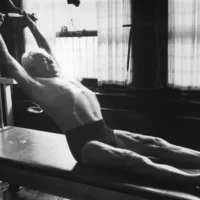
During World War I, Pilates worked with injured soldiers, using hospital bed springs to create resistance. This inspired the creation of his Pilates equipment, such as the Reformer and the Cadillac, designed to aid in rehabilitation and muscle strengthening.
Joseph Pilates combined knowledge from various disciplines, and his personal experience with illness and physical rehabilitation also played a crucial role in the formation of the Pilates method. Today, it is internationally recognized for its benefits to physical and mental health.
After the war, he emigrated to the United States, where he opened his first studio in New York in 1926. The method quickly gained popularity among dancers and elite athletes, who appreciated its emphasis on core strength, flexibility, and injury prevention.
International Presence
After the war, he emigrated to the United States, where he opened his first studio in New York in 1926. In 1940, Romana Kryzanowska began training with Joseph Pilates in New York, becoming one of his main students and eventually a key instructor of the method.
Students of Joseph Pilates opened studios in various parts of the world, adapting and teaching the classical method. The establishment of institutions dedicated to Classical Pilates also helped in its global expansion.
In 1967, Joseph Pilates passed away, and Romana Kryzanowska took over the leadership of the studio, dedicating herself to preserving and disseminating the Classical Pilates method.
Publications and Training
Joseph Pilates wrote books and manuals about his method, helping to spread his techniques. He and his wife Clara trained many instructors who continued to teach the method after his death. The method was kept alive and updated by dedicated followers, who ensured the preservation and dissemination of the original principles worldwide.
Authentic Pilates Learning Center
Under the tutelage of Romana Kryzanowska, Erica Almodovar, Senior Master Teacher and founder of Authentic Pilates Learning Center studios, along with some of our instructors, received her training. Under Romana’s watchful eye, teachers from all over the world learned the authentic Pilates work taught to her by Joseph Pilates. Those who received this training understand the gift entrusted to them: to teach and pass on this original system of exercises to the world, using a variety of equipment developed by Joseph Pilates. We also continue this work in studio practices with our clients and through our international APLC teacher certification, where we have already trained hundreds of students in various countries around the world.
Classical Pilates & Contemporary Pilates
Today, in Brazil, the most widespread form of Pilates is Contemporary Pilates. Many people are unaware that there are two main approaches within Pilates: Classical Pilates and Contemporary Pilates, each with its own characteristics and objectives.
Contemporary Pilates emerged in the 1980s, introducing alterations to the original exercises developed by Joseph Pilates. Although these changes have brought more flexibility to the method, they have also resulted in some modifications that may not offer the same specific and profound benefits as the classical method.
The exercises created by Joseph Pilates follow a structured sequence that emphasizes precision, control, and core strengthening, ensuring a holistic and integrated approach that optimizes the effectiveness and benefits for the entire body.
Classical Pilates: Fidelity to the Original Method
- Precision and Control: Classical Pilates strictly follows the exercises and principles established by Joseph Pilates, ensuring that movements are performed with precision and control. This approach provides maximum benefits and minimizes the risk of injuries.
- Structured Sequences: The exercises are performed in a specific order, promoting balanced body development and working all muscle groups in an integrated manner.
Core Strengthening
- Powerhouse Focus: Classical Pilates emphasizes strengthening the core, including the abdominal, back, hip, and gluteal muscles. This central focus improves stability, posture, and balance.
- Postural Benefits: The emphasis on the core and correct posture contributes to reducing back pain and improving body alignment.
Proven Effectiveness
- History of Success: Classical Pilates has a proven track record of effectiveness in improving strength, flexibility, posture, and overall well-being. Practitioners report significant improvements in their quality of life.
- No Modifications:
Fidelity to the original exercises ensures that the essential benefits intended by Joseph Pilates are maintained.
Traditional Equipment
- Equipment Designed by Joseph Pilates:
The use of traditional equipment, such as the Reformer and the Cadillac, ensures that exercises are performed with the correct resistance and support, optimizing results. - Precision of Apparatus:
These apparatuses guide the body through precise movements, ensuring the effectiveness of each exercise.
Focus on Technique and Form
- Quality over Quantity: Classical Pilates prioritizes the quality of movement, minimizing the risk of injuries and maximizing the benefits of each exercise.
- Highly Trained Instructors:
Classical Pilates instructors undergo rigorous and extensive training, taking several years to complete. Certification is granted only after the student has ensured a deep understanding of the technique in practice to guide students with precision.
While Contemporary Pilates offers flexibility and modern incorporations, Classical Pilates stands out for its precision, structure, and fidelity to Joseph Pilates’ original method. This ensures that practitioners receive maximum benefits in terms of core strengthening, posture improvement, and balanced body development.
If you seek a Pilates practice that offers proven results and an authentic experience, Classical Pilates is the best choice. Come experience it and feel the difference!

 by X Tech Knowledge